
Herb-Medication Interaction Checker
Check Your Detox Safety
Select your medications and detox herbs to see if there are any potential interactions
Potential Interaction Detected
Consult your healthcare provider before using these herbs with your medications.
No Known Interactions
You can safely use these herbs with your current medications. However, always consult a healthcare professional before starting any new supplement regimen.
Feeling sluggish, dealing with occasional bloating, or just tired of the typical coffee‑sand‑sugar crash? Your body might be begging for a reset. Flushing and detoxing isn’t about starving yourself or buying a pricey supplement; it’s about giving your liver, kidneys, and gut the right tools to clear out waste and run smoother.
What Happens When You Flush Your System
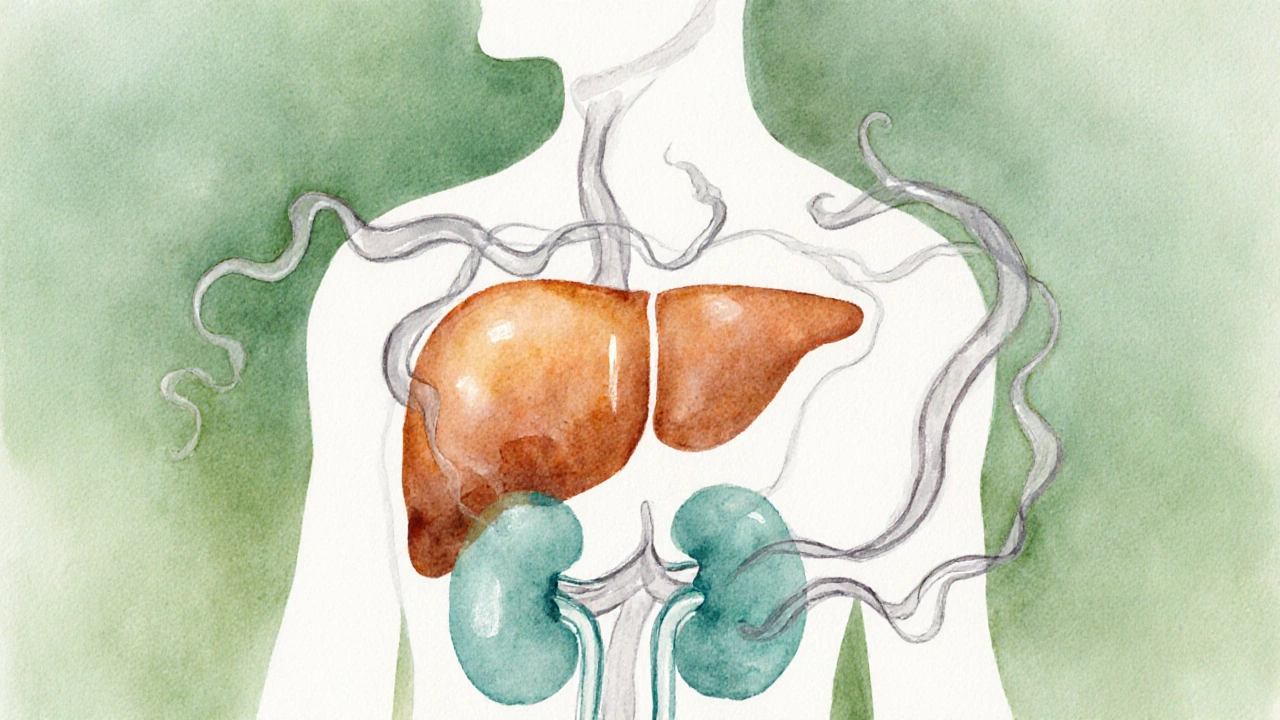
Every day, the foods you eat, the air you breathe, and even the stress you experience dump toxins into your bloodstream. Your body’s natural filtration system-primarily the Liver a large organ that processes nutrients, metabolizes drugs, and neutralizes harmful substances and the Kidneys filter blood, balance fluids, and excrete waste as urine-work round the clock to keep you healthy. When they’re overloaded, you may notice fatigue, skin breakouts, or digestive sluggishness.
Key Organs Behind Natural Detox
Understanding the main players helps you target the right support strategies.
- Liver: Converts toxins into water‑soluble forms for easier elimination.
- Kidneys: Pump filtered blood into the bladder, where waste exits as urine.
- Colon: Acts as the final checkpoint, moving solid waste out of the body. Colon the large intestine that absorbs water and compacts waste for excretion
- Lymphatic System: Transports excess fluid and immune cells, helping clear cellular debris.
Top Herbs That Support a Cleanse
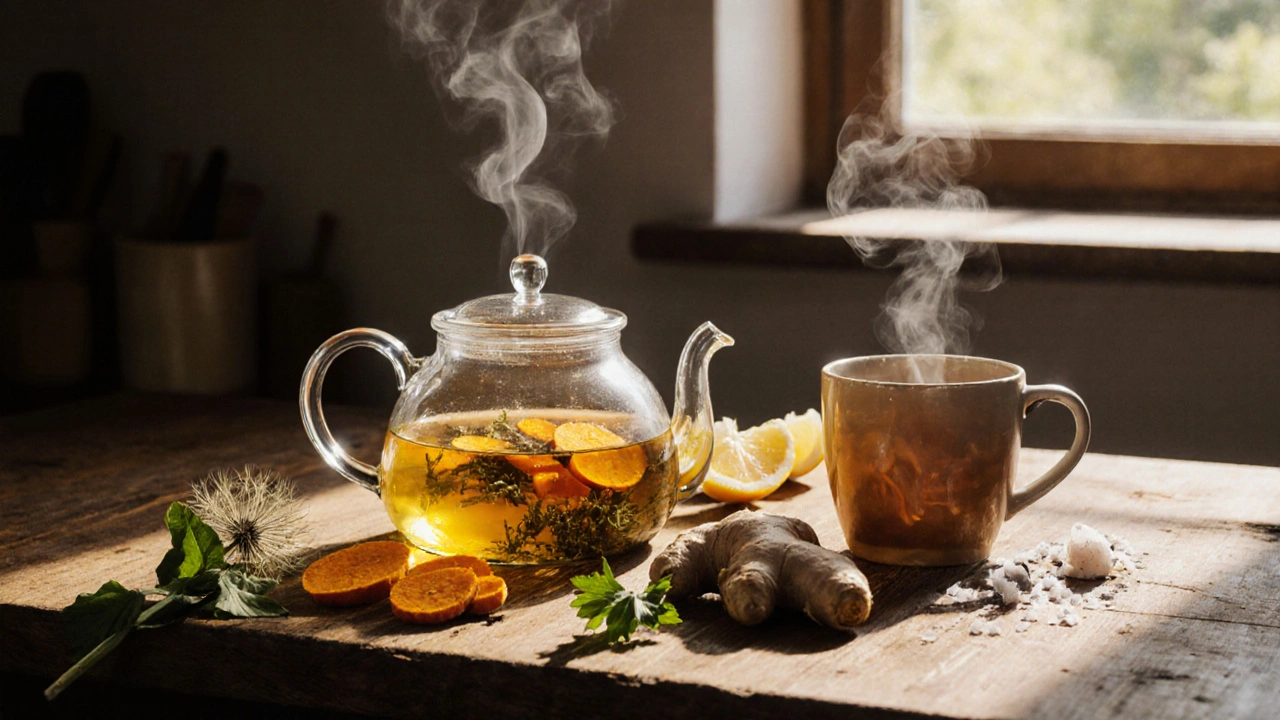
Herbal allies can boost the organs mentioned above. Below are the most researched, everyday‑available options.
- Dandelion a bitter leaf known for stimulating bile flow and supporting kidney function - steep a cup of dried root tea or add fresh leaves to salads.
- Milk Thistle contains silymarin, a compound that protects liver cells and promotes regeneration - typical dose is 150‑300mg of standardized extract per day.
- Turmeric rich in curcumin, an antioxidant that reduces inflammation in the gut and liver - combine with black pepper to improve absorption.
- Ginger helps digestion, eases nausea, and stimulates circulation for better toxin transport - fresh slices in hot water make a warming detox tea.
- Cilantro (optional) - may bind heavy metals and help move them out through the kidneys.
Step‑by‑Step Body Flush Routine (7‑Day Sample)
Follow this schedule for a week. Adjust portions based on your appetite and activity level.
- Morning Hydration: Drink 500ml of warm water with a pinch of sea salt and a squeeze of lemon. The salt supplies electrolytes, while lemon kick‑starts liver enzymes.
- Herbal Tea Boost: 15‑minute brew of dandelion root + ginger + turmeric. Sip slowly throughout the morning.
- Light Breakfast: Smoothie of cucumber, parsley, a handful of spinach, half a green apple, and a scoop of plant‑based protein. Add a sprinkle of spirulina for extra chlorophyll.
- Mid‑day Move: 20‑minute brisk walk or light yoga; movement encourages lymph flow.
- Lunch: Fresh salad with mixed greens, beets, avocado, and a tablespoon of olive oil. Top with milk‑thistle capsules (if using).
- Afternoon Cleanse: Warm water or herbal tea (same blend) paired with a small handful of raw almonds for healthy fats.
- Dinner: Steamed broccoli, cauliflower, and a modest portion of wild‑caught fish or tofu. Finish with a cup of ginger tea.
- Evening Wind‑down: Dry brush skin from feet upward, then a short meditation to lower cortisol, which can otherwise hinder detox pathways.
Repeat for seven days, then transition to a balanced maintenance plan with regular water intake and weekly herbal teas.
Comparing Popular Herbal Detox Approaches
| Method | Main Herbs | Typical Duration | Pros | Cons |
|---|---|---|---|---|
| Herbal Tea Blend | Dandelion, Ginger, Turmeric, Milk Thistle | 5‑7 days (daily teas) | Easy to prepare, low cost, gentle on stomach | Requires multiple daily brews, flavor can be bitter |
| Fresh Juice Cleanse | Celery, Cucumber, Parsley, Lemon, Apple | 3‑5 days (juice only) | High nutrient density, fast results | Can be expensive, may cause blood‑sugar spikes if fruit‑heavy |
| Herbal Supplement Capsules | Milk Thistle extract, Dandelion root powder, Artichoke leaf | 7‑10 days (2‑3 capsules/day) | Convenient, precise dosing | Potential interactions with meds, quality varies |

Potential Pitfalls & Safety Tips
Even natural herbs can cause issues if misused.
- Over‑hydration: Drinking more than 4liters of water a day can dilute electrolytes and lead to headaches.
- Herb‑drug interactions: Milk thistle may affect the metabolism of certain prescription meds (e.g., anticoagulants). Always check with a pharmacist.
- Allergies: Some people react to dandelion pollen; start with a half‑cup tea to test tolerance.
- Long‑term fasting: Extended fasts (>48hours) without medical supervision can strain kidneys.
If you have chronic kidney disease, liver cirrhosis, or are pregnant, skip aggressive detoxes and consult a healthcare professional.
Quick Checklist - Your Daily Detox Toolkit
- Warm lemon‑salt water on waking
- Herbal tea (dandelion‑ginger‑turmeric) 2‑3 times
- Fresh greens or juices at meals
- 30minutes of light movement
- Dry brushing before shower
- 8‑10 glasses of water total
- Sleep 7‑9hours to let the lymphatic system reset
Frequently Asked Questions
How long does a typical detox take to show results?
Most people notice increased energy, clearer skin, and less bloating within 3‑5 days of consistent hydration and herbal tea intake. Full liver‑support benefits may take 2‑3 weeks of regular herbal supplementation.
Can I do a detox if I’m on medication?
Yes, but choose gentle herbs like ginger and parsley and avoid high‑dose milk thistle without doctor approval. Some medications are metabolized by the same liver enzymes that herbs like milk thistle affect, so a professional check is wise.
Is fasting required for a successful detox?
No. A gentle fasting window of 12‑14hours (e.g., skipping late‑night snacks) is enough to give the gut a break. Complete juice‑only fasts are optional and should be limited to 3‑5 days.
What’s the best time of day to take herbal supplements?
Take liver‑support capsules (like milk thistle) with a small meal to improve absorption and reduce stomach irritation. Kidney‑support herbs (dandelion) work well on an empty stomach in the morning.
Can detox herbs help with heavy‑metal exposure?
Cilantro and chlorella are the most studied for binding lead or mercury. Pair them with plenty of water and a liver‑support blend for optimal elimination.

8 Comments
If you think a lemon‑water sunrise will fix everything, kudos to your optimism!
Hey, this guide looks solid, but u gotta remember that not every herb works the same for everyone. I’d start with a half‑cup of dandelion tea and see how ur stomach reacts before diving in full‑blast. Also, keep an eye on any weird bruising if you’re on blood thinners.
Nice overview, especially the part about lignin‑rich greens supporting the colon’s biome. From a functional‑medicine lens, the synergy between turmeric’s curcumin and black pepper’s piperine really boosts bioavailability, which is often overlooked. I also appreciate the practical tip about dry‑brushing to stimulate lymphatic flow. Just a heads‑up: people with gallbladder issues might find the bile‑stimulating effect of dandelion a bit harsh.
While the guide attempts to be comprehensive, it suffers from a cascade of oversimplifications. First, the claim that “milk thistle protects liver cells” ignores the fact that silymarin’s oral bioavailability is less than 1% without specialized formulations. Second, stating that cilantro “may bind heavy metals” is a vague assertion lacking quantitative data-most studies show only modest chelation in vitro. Third, the suggestion to drink 500 ml of warm water with sea salt and lemon is presented as universally safe, yet hyponatremic risk exists for individuals on a sodium‑restricted diet. Fourth, the interaction table omits the well‑documented CYP3A4 induction by turmeric, which can decrease plasma levels of many statins. Fifth, the recommendation to “skip late‑night snacks” as a gentle fast ignores circadian rhythm research indicating that caloric intake timing can influence insulin sensitivity, but the effect size is modest at best. Sixth, the advice to “dry brush skin” as a lymphatic booster is not supported by peer‑reviewed lymphatic physiology; mechanical stimulation of the epidermis does not translate to increased lymph flow. Seventh, the assertion that “regular movement encourages lymph flow” is true, but the guide fails to differentiate between low‑intensity yoga and vigorous aerobic exercise, which have distinct hemodynamic impacts. Eighth, the table’s “Pros” and “Cons” columns are biased-labeling “bitter taste” as a con, when bitterness often correlates with phytochemical richness. Ninth, the guide glosses over contraindications for pregnant women, yet herbs like ginger, while generally safe, can exacerbate heartburn in the third trimester. Tenth, the suggestion to “add spirulina for extra chlorophyll” neglects the potential for microcystin contamination in poorly sourced batches. Eleventh, the claim that “8‑10 glasses of water” equals 2‑3 L is a simplification, as individual fluid needs vary with body mass, climate, and activity level. Twelfth, the description of “Electrolyte‑balancing sea salt” ignores that excessive chloride can worsen hypertension in salt‑sensitive individuals. Thirteenth, the notion that “herbal teas are low cost” fails to acknowledge premium organic extracts that can be prohibitively expensive. Fourteenth, the guideline to “take liver‑support capsules with a small meal” is sound, yet it omits the recommendation to avoid high‑fat meals that may delay gastric emptying. Fifteenth, the overall tone feels like a sales pitch, undermining credibility for a health‑focused audience. In summary, the guide would benefit from tighter sourcing, clearer risk stratification, and a more nuanced discussion of pharmacokinetics.
Your delusions are as refreshing as a dry leaf in the desert.
I find the empathetic angle of this detox plan quite thoughtful, especially the emphasis on gentle hydration before introducing potent herbs. From my own experience, a gradual taper-starting with a modest half‑cup of dandelion tea-helps avoid the shock to the gastrointestinal tract that some newcomers report. Moreover, the inclusion of a brief meditation session aligns well with psychoneuroimmunology findings that reduced cortisol can indeed improve detox pathways. It is, however, crucial to remind readers that individuals with chronic kidney disease should monitor their electrolyte intake vigilantly, as over‑hydration can be detrimental. Overall, the balance between practical steps and scientific nuance is commendable.
Honestly, the guide reads like a kaleidoscope of colorful buzzwords, but beneath the glitter lies solid advice. The recommendation to pair turmeric with piperine, for instance, showcases an understanding of phytochemical synergy that many guides miss. I also love the vivid description of “dry brushing” as a ritual-though it’s more aesthetic than physiological, it can serve as a mindfulness cue. Still, the caution about heavy‑metal chelation by cilantro could be framed more responsibly, perhaps noting that it should complement-not replace-clinical detox protocols. All in all, an engaging, albeit slightly theatrical, roadmap to a cleaner system.
While the narrative attempts to democratize detoxification, it inadvertently perpetuates a pseudo‑elitist myth that “natural” equates to “infallible.” The heavy reliance on buzzword‑laden jargon-such as “bioavailability optimization” and “phytochemical synergy”-serves more to inflate perceived expertise than to educate. A rigorous protocol would necessitate baseline hepatic function tests before initiating a high‑dose silymarin regimen, something the guide glosses over. Additionally, the casual dismissal of potential herb‑drug interactions under the umbrella of “consult your physician” feels perfunctory, undermining the seriousness of hepatic CYP450 modulation. In short, a more disciplined, evidence‑based approach would benefit readers seeking genuine physiological improvement.