
Red Clover Side Effects: What You Need to Know
When working with Red Clover Side Effects, the potential adverse reactions that may occur from consuming red clover herb or its extracts. Also known as Trifolium pratense reactions, it covers everything from mild skin irritation to hormone‑related issues. Understanding these reactions helps you decide if red clover fits your health plan.
One of the most common ways people take red clover is as Red Clover Tea, a warm brew praised for easing hot flashes. The tea delivers phytoestrogens that can subtly shift estrogen levels, which is why red clover side effects often involve hormonal ups and downs. You might notice bloating, headache, or even a change in menstrual timing if you’re sensitive. Recognizing that the tea itself is the delivery vehicle makes it easier to track which symptoms belong to the plant versus other lifestyle factors.
Many turn to red clover during Menopause because its phytoestrogens can mimic declining estrogen. While the herb can calm night sweats and improve sleep, the same estrogen‑like action can trigger side effects like breast tenderness or mood swings. In other words, menopause relief and side effects are two sides of the same coin: the plant’s ability to interact with the body’s estrogen receptors creates both benefits and risks.
The link between red clover and Hormonal Balance is at the core of its side‑effect profile. When phytoestrogens bind to estrogen receptors, they can either amplify or dampen natural hormone signals. This dual‑action means users may experience improved skin elasticity or, conversely, a temporary increase in acne. The key is to monitor how your body reacts over a few weeks; small shifts often settle as the endocrine system adapts.
Because red clover is sold as a Herbal Supplement, dosage and quality matter a lot. Low‑dose tablets tend to cause fewer side effects, while concentrated extracts might provoke stronger reactions, especially if you’re taking blood‑thinning medication or hormone therapy. Always check the label for standardized isoflavone content, and consider talking to a healthcare professional before adding it to your regimen.
Below you’ll find a curated collection of articles that dive deeper into each of these topics. Whether you’re curious about safe dosing, want to compare tea versus capsule forms, or need guidance on using red clover during menopause, the posts ahead give practical tips, real‑world experiences, and evidence‑based advice. Read on to get the full picture before you decide if red clover fits your wellness routine.
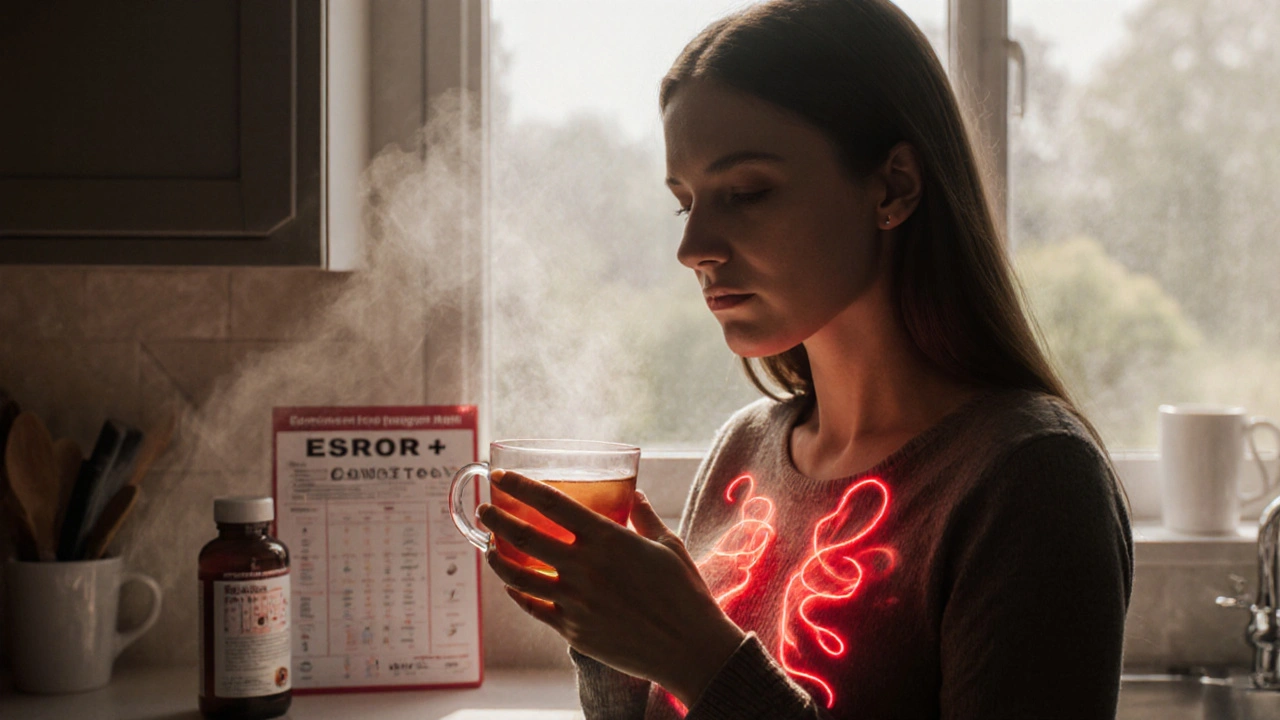
Who Should Avoid Red Clover? Key Risks and Who Should Skip It
Red clover may seem like a safe herbal detox option, but it's dangerous for people with estrogen-sensitive cancers, blood disorders, or hormone-related conditions. Learn who should avoid it and why.
view more
Red Clover and Kidney Health: Risks, Benefits, and Safe Use
Find out if red clover harms kidneys, learn safe dosages, monitoring tips, risk groups, and kidney‑friendly herbal alternatives for detox.
view more